


The Trimurti and the Great Goddess: More Than Mythology, a Cosmology.
Hinduism is far from a simple “polytheistic faith.” It is profound and inclusive, blending philosophical speculation with vibrant mythological narratives. At its core lie three principal male deities—collectively known as the ‘Trimurti’—alongside the omnipresent feminine divine power, “Devi.” Understanding them is key to entering the Hindu cosmic order and daily worship (puja).
For me, initial encounters with these deities often left me bewildered by their intricate names and forms. Yet through deeper study and comparison, I gradually realized: they are not isolated idols, but projections of the same ultimate reality across different dimensions.
Vishnu: Guardian of Order, Guide to Humanity.
Vishnu is the sustainer of the cosmos. His mission is neither creation nor destruction, but the preservation of Dharma—the cosmic and moral order. When the world falls into imbalance and evil proliferates, he descends as an avatar to restore harmony.
- Core Roles: Preserver, Balancer.
- Most Famous Avatars: Rama (the ideal king in the Ramayana), Krishna (the divine friend and mentor in the Bhagavad Gita).
- Faith System: Vaishnavites regard him as the Supreme Being, cultivating an intimate connection through chanting, hymns, and meditation.
I have repeatedly read the Bhagavad Gita, and each time I sense a steady, unwavering strength in Krishna’s words—not a command from on high, but gentle guidance for the lost. This posture of “intervening without controlling” embodies the essence of Vishnu’s spirit.
Shiva: Destruction? No, the beginning of transformation.
Shiva is often oversimplified as the “God of Destruction,” but this is a misconception. He represents “dissolution”—the necessary process of making space for new beginnings. Without destruction, there is no renewal; without endings, there is no cycle of rebirth.
He is also the ultimate ascetic and yogi, meditating atop the Himalayas, transcending worldly desires.
His third eye burns away illusion, the crescent moon on his forehead symbolizes the cycle of time, and the lingam represents the invisible yet omnipresent creative force.
- Multiple Identities: Destroyer, Regenerator, Supreme Yogi.
- Symbols: Lingam, Serpent, Ganges River, Crescent Moon, Ashes.
- Traditional Worship: Shaivites often approach him through simple rituals, chanting, and meditation.
I once sat in meditation before a Shiva temple, watching devotees pour milk slowly over the lingam. In that moment, I suddenly understood: Shiva’s “destruction” is not violence, but a form of purification—like winter’s withered branches, making way for spring’s new buds.
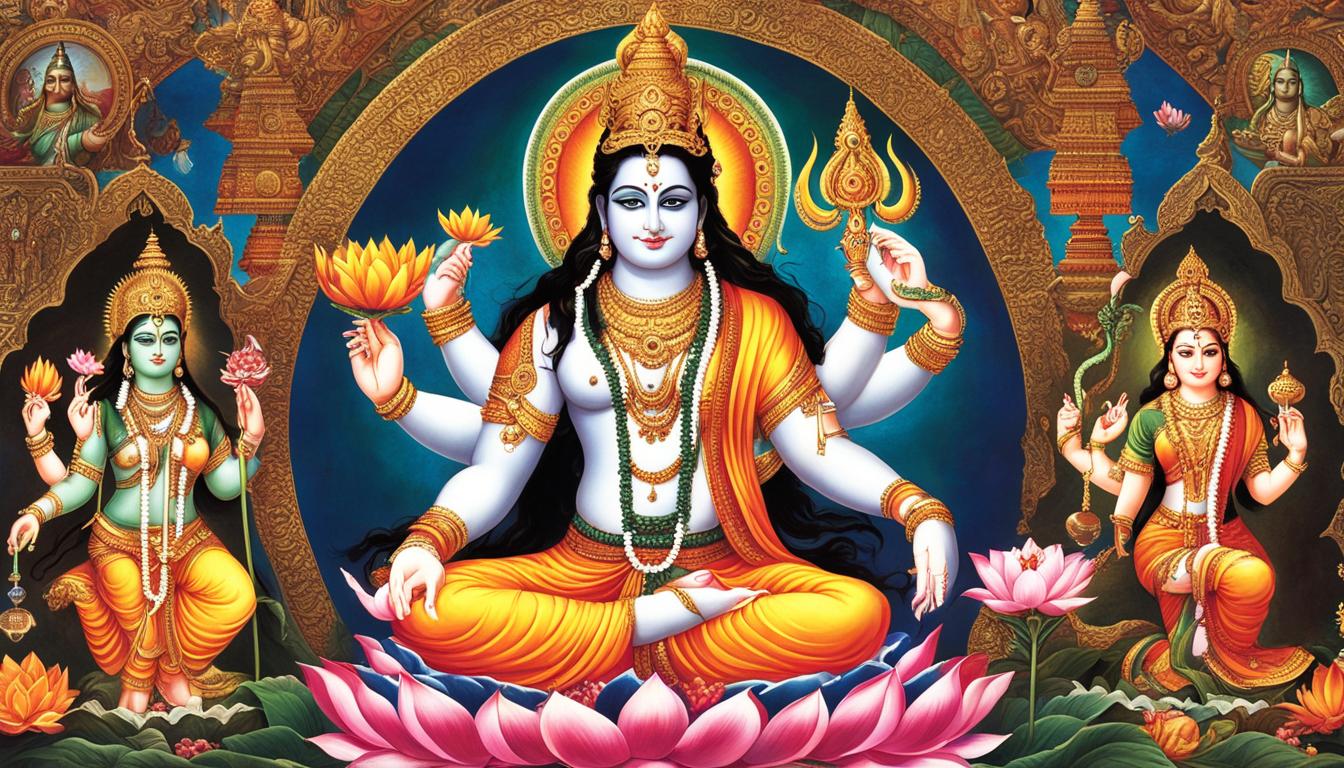
Devi: The cosmic feminine energy, the source of all action.
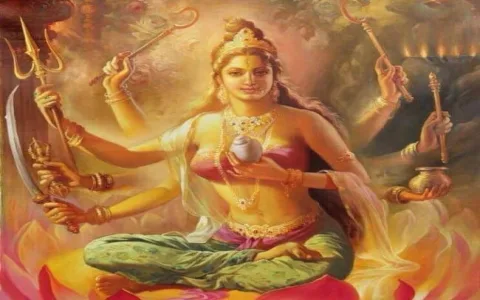
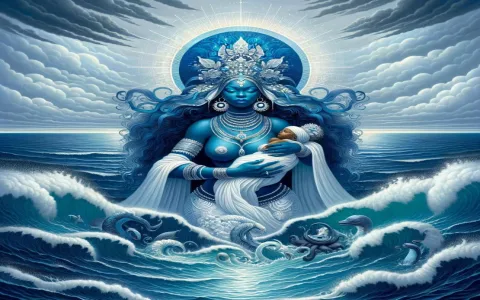
In Hinduism, without the feminine divine, male deities are mere shells. Devi (also known as “Shiva’s energy” or “Shakti”) is the primal force driving the universe. She embodies motherhood, warrior spirit, wisdom, and compassion.
She manifests in diverse forms:
- Parvati: The gentle, virtuous wife, embodying love and family.
- Durga: The lion-riding goddess of war, protecting all beings from evil.
- Kali: Dark-skinned with fangs, treading on corpses, yet symbolizing the utter annihilation of ignorance and attachment.
- Core Meaning: She is the true force behind creation, preservation, and destruction.
- Worship Tradition: Shaktism views her as the Supreme Reality itself, not merely an accessory.
When I first read Kali’s story, fear instinctively gripped me. But a teacher told me: “She tramples the ‘small self,’ not life itself.” This insight brought sudden clarity—true compassion sometimes must appear fierce.
Unity of All Gods: Manifestations of Brahman and the Devotee’s Path.
On the surface, Hinduism boasts thousands of deities. Yet its philosophical core is profoundly unified: all gods are personified manifestations of Brahman—the ineffable, attribute-less, omnipresent ultimate reality.
- Ishta Devata: Each devotee may choose a “personal deity” as their spiritual focus. Some worship Vishnu, others revere Shiva, and still others honor Devi—yet all acknowledge their shared essence.
- Smarta Tradition: Emphasizes that all paths lead to the same truth through the “Five Deities Worship” (Panchayatana Puja)—Vishnu, Shiva, Devi, Ganesha, and Surya.
This appears contradictory: on one hand, exclusive devotion (“My god is supreme”); on the other, inclusive philosophy (“All gods are one”). Yet it is precisely this tension that allows Hinduism to embrace personal devotion without sacrificing metaphysical depth.
It took me a long time to truly grasp this. Initially, I tried to “choose sides”—was Vaishnavism more rational, or Shaivism more profound? Later, I realized the question itself was flawed. It’s like describing the same mountain in different languages; the point isn’t the language, but whether you’ve truly reached the summit.
My Realization: Seeing Unity Within Contradiction.
Words may seem detached or even academic, but true practice lies in daily rituals: reading myths, gazing at deity images, chanting sacred names. Between the stern majesty of Vishnu and the wild, terrifying dance of Shiva, one senses that flowing energy.
Ultimately, I grasped this: Hinduism’s greatness lies not in offering a single answer, but in allowing you to journey with your questions—until one day you suddenly realize all paths have long converged into the same river. That joy of sudden clarity remains unforgettable to this day.
Comment on “The Most Revered Deities in Hinduism: Vishnu, Shiva, Devi, and the Unity of the Divine”