
The Dual Forces of Creation
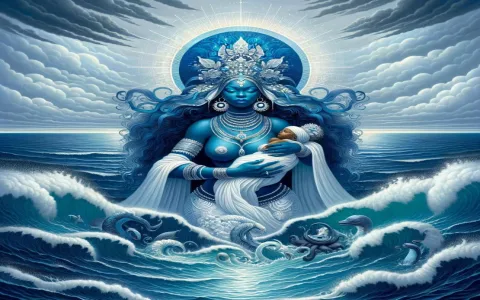
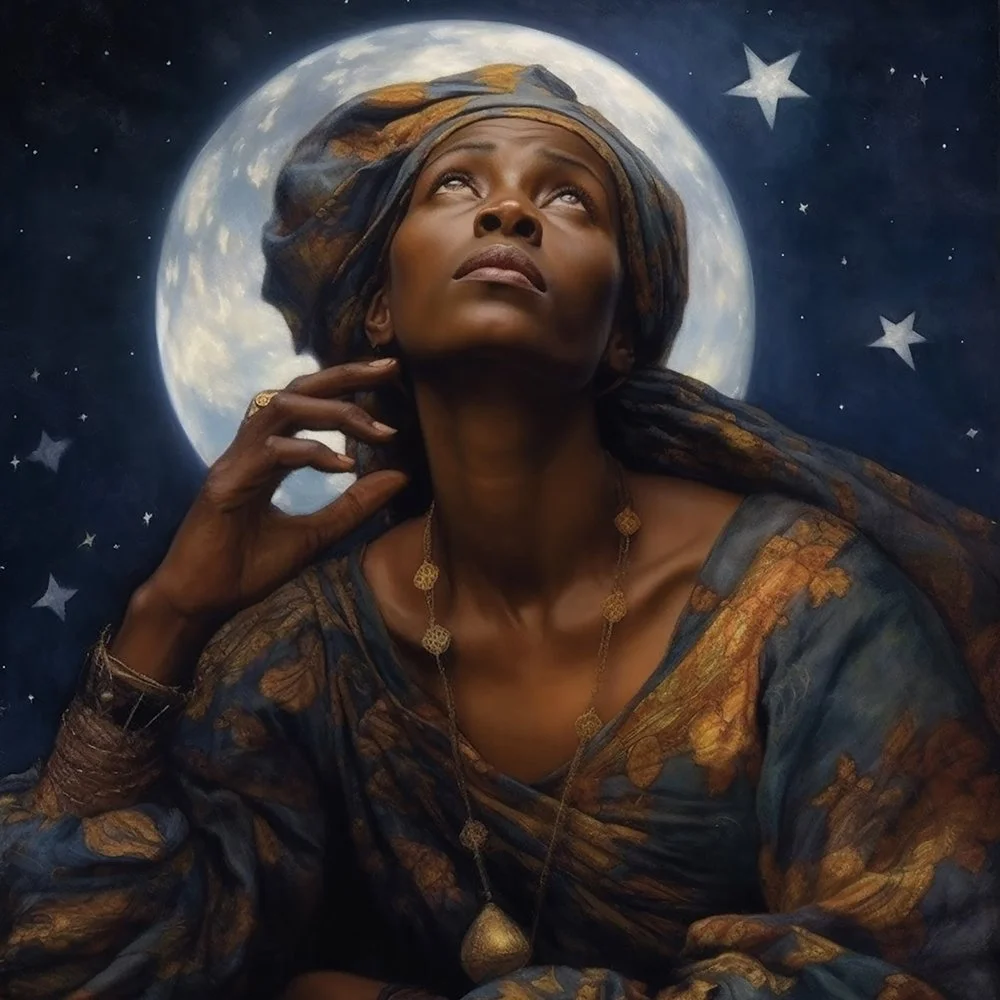
In the traditional beliefs of the Ewe and Fon peoples of West Africa (present-day Benin and Togo), Mawu—often called the “Moon Mother”—is not an isolated deity but a core element of cosmic order. Together with her twin brother Lisa (Father Sun), she forms an inseparable unity: Mawu-Lisa.
This divine pair embodies the fundamental duality of the cosmos:
- Mawu represents the moon, symbolizing the feminine principle: night, coolness, rest, and nourishment. She is the source of mercy, forgiveness, and abundance.
- Lisa represents the sun, symbolizing the masculine principle: day, heat, strength, and rigor. He administers justice, bestowing light and warmth upon life.
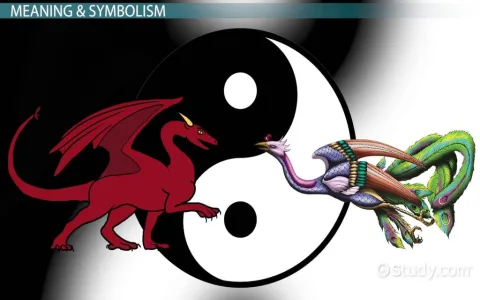
Both are indispensable. Without night, the earth would be scorched; without day, all things could not grow. This tension is not opposition but a dynamic equilibrium—akin to the yin-yang principle in Eastern philosophy. They can be understood as either a pair of primordial twin deities or a single androgynous supreme creator.
The Clay-Shaping Creator of Humankind
In the tale of human origins, Mawu plays a highly concrete role. While Lisa is often seen as the giver of life energy, it is Mawu who actually “gets her hands dirty.”
- Shaping: She personally molded the first humans from clay, later crafting different tribes with artisan-like precision and patience.
- Soul-Imbuing: In some traditions, she also infused the clay figures with “se” (soul or destiny)—meaning she not only created physical forms but also determined human character and fate.
- Dispersion: After creation, she assigned languages, territories, and skills to each group, explaining the diversity of human cultures and lifestyles.
This process evokes a motherly devotion: not crude “manufacturing,” but intentional, caring “fulfillment.”
The Compassionate Divine Architect
As the goddess of creation, Mawu is not only humanity’s shaper but the designer of the entire material world. Together with Lisa, she created heaven and earth, establishing the Vodun deities who govern natural elements like thunder, sea, and earth.
Yet her uniqueness lies in the emotional dimension. She is “Anutono (Ah-nu-tɔ-nɔ)”—the embodiment of compassion and forgiveness. Within the Vodun worldview, Lisa’s justice may be stern, even harsh, while Mawu’s presence ensures the world does not collapse from excessive rigidity. Her benevolence acts as a buffer, a grace that sustains life.
This concept compels reflection: true order is never solely about rules and punishment; it demands understanding and tolerance.
Eternal Balance in Retreat
After creation, Mawu-Lisa chose to step back from direct involvement in human affairs. They entrusted governance to their sons—the myriad Vodun deities.
This “divine withdrawal” was not indifference, but a deliberate act of protection. The Supreme Deity’s power was too immense; frequent intervention in the mortal realm would only shatter her fragile creation. Thus, Mawu-Lisa chose to exist through subtler means: the shifting phases of the moon, revelations in dreams, the rhythms of life’s cycles—all were her whispers.
She is not merely a gentle mother, but the guardian of cosmic equilibrium. She ensures that heat does not devour cold, that order does not stifle compassion. This balance is the very foundation upon which the world endures.
Core Attributes of Mawu
- Elements: Water, Moon, Night
- Symbols: Compassion, Nurturing, Wisdom, Cyclical Time
- Relationship with Humans: As the ultimate source of life and morality, people seek her forgiveness, understanding, and inner guidance
Her Legacy and Profound Influence
Unlike her offspring (such as the thunder god Sagbata or the sea god Heviso), Mawu does not receive daily sacrifices. Transcending specific rituals, she is the primal source of creation itself. Yet her influence is omnipresent:
- Order and Destiny: She establishes the laws governing all things and bestows “fate” (destiny) upon every living being.
- Cosmic Balance: Her stillness complements Lisa’s dynamism, creating a sustainable environment for existence.
- Source of Abundance: As the Moon Mother, she governs tides, menstrual cycles, and agricultural rhythms, deeply embedded in nature’s life cycles.
Vodun’s understanding of Mawu reveals a profound cosmology: life originates from a distant, wise source whose essence is the harmonious coexistence of order and duality.
The Core Revelation That Most Deeply Moved Me
Throughout my research, what struck me most profoundly was Mawu’s “silent power.” She does not shout from on high but envelops like the night; she is not flame but the dark soil that nurtures all things.
I spent an entire week studying the prayers dedicated to her, each repeatedly emphasizing “patience” and “silent wisdom”—for only when the sun sets and the moon rises can one hear the truest voice within.
Ultimately, I came to understand her as the “Ultimate Source”: the wellspring of all things, a gentle force capable of smoothing the rough edges of reality. This quest began with the pages of a yellowed, ancient tome, yet within me it crystallized into tangible understanding: the myths of the Fon and Ewe tribes recount a cosmic physics rooted in nature—creation requires both Lisa’s masculine heat and Mawu’s feminine cold; yet without Mawu’s compassion and steadfastness, all would crumble into chaos.