








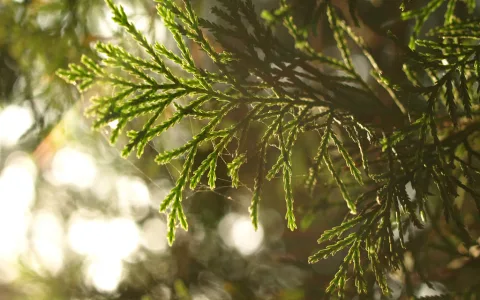
For years, I’ve kept stumbling upon juniper in ancient texts and myths—especially in Greek tales. That way of weaving ordinary plants into grand cosmic narratives has always fascinated me. Yet each time I encountered it, I’d merely skim past, never delving deeper: Why juniper specifically? What secrets did it hold? Only recently did I resolve to truly understand.
Protection: Not Just Legend, But Everyday Safeguard.
In many spiritual traditions, the juniper (scientific name: Juniperus communis) is far more than just a tree. One of its most central symbols is “protection”—a tangible, perceptible shield.
Its sharp needles and potent, enduring scent led ancient peoples to believe it formed a natural defense line. Not some ethereal incantation, but a visible, tangible protective mechanism.
- Portable reassurance: People would sew juniper berries into small pouches or hang a sprig on door frames, not for ritual, but for a peaceful night’s sleep.
- Setting boundaries: Planting juniper around homes or sacred sites wasn’t decoration, but a silent declaration—this space is inviolable.
- Nighttime Guardians: Lighting juniper branches before sleep, letting the smoke rise slowly, is said to banish nightmares. I’ve tried it several times myself and indeed slept more soundly.
This protection isn’t dramatic exorcism, but a gentle yet steadfast presence.
Purification: Cleansing from Space to Soul.
Juniper may be one of humanity’s earliest natural purifying plants. The smoke from its burning resin carries a crisp, slightly pungent scent that swiftly “sweeps away” the stagnant heaviness in a room.
- Purifier in Rituals: Whether recovering from illness, after a heated argument, or moving into a new home, people use dried leaves or berries for smudging—not just to eliminate odors, but to clear residual emotional energy.
- Cleansing Body and Mind: This purification extends beyond the physical. Traditional medicine holds that juniper aids in expelling toxins from the body while sharpening the mind—as if giving the brain a thorough “spring cleaning.”
- Preparation for Meditation: I occasionally light juniper incense before sitting in quiet contemplation. Distracting thoughts truly diminish, and the mind settles more easily. It doesn’t overpower; it quietly clears the space, making it easier to touch inner stillness.
Ancient Wisdom: Slow Growth, Yet Never Fading.
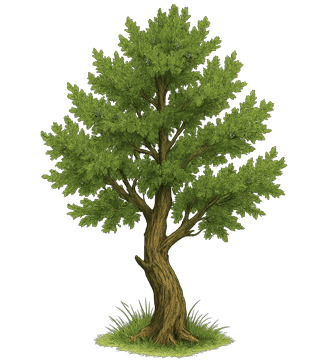
As an evergreen, juniper endures for centuries on barren mountainsides and in bitter winds. Unassuming yet ever-present—this quality makes it an embodiment of “ancient wisdom” and “inner resilience.”
- A Secret Link to Ancestors: In some cultures, juniper is seen as a bridge to forebears. It reminds us that some wisdom doesn’t need innovation—only remembrance.
- Silent Persistence: It grows slowly but roots deeply. This rhythm prompts reflection: true growth isn’t always dramatic; it’s steady progress made unseen.
- Embodiment of Feminine Energy: Certain traditions link juniper to goddess energy—not domineering control, but intuitive, nurturing wisdom. This reminds me of several juniper-like women in my life: quiet, yet inherently powerful.
Conclusion: Why Does It Recur?
Tracking its origins, I discovered juniper’s frequent presence in myths and rituals stems not from starring in earth-shattering tales, but from its deep integration into daily life—as herbs in kitchen corners, sprigs atop doorways, the familiar smoke in purification rites.
The Romans later adopted and amplified its “restorative” function, whether after plagues or at the start of new endeavors. Yet its roots lie in the Greeks’ daily existence.
Juniper never steals the spotlight, yet it is always present. It is not the hero under the stage lights, but the silent force behind the scenes ensuring everything runs smoothly. Precisely for this reason, it deserves to be mentioned again and again—for true power often lies in the quiet.

Comment on “Juniper Tree Spiritual Meaning: Protection, Purification, and Ancient Wisdom”