




I. Who Is She? From the Indus River to Japanese Shrines
Benzaiten (often affectionately called “Benten”) is one of the Japanese deities I’ve become most fascinated with through my recent in-depth research. Originally derived from Saraswati, the Hindu goddess of wisdom and the arts, she quietly transformed within Japanese culture into a symbol governing all “things that flow”—water currents, music, speech, time, and even the ebb and flow of wealth and emotions.
This cross-cultural fusion was no simple transplant, but a silent yet profound reshaping. Whenever I pause before a shrine, I can’t help but wonder: How did monks a thousand years ago gently weave a foreign goddess into the fabric of local beliefs?
II. Name and Form: Each Transformation, a Rebirth
Her name evolved from Sanskrit “Sarasvatī” to ‘Benzaiten’ and “Benzaiten,” shifting from “River of Wisdom” to “Source of Wealth.” This was more than linguistic change—it mirrored the people’s evolving expectations.
Her imagery is astonishingly diverse:
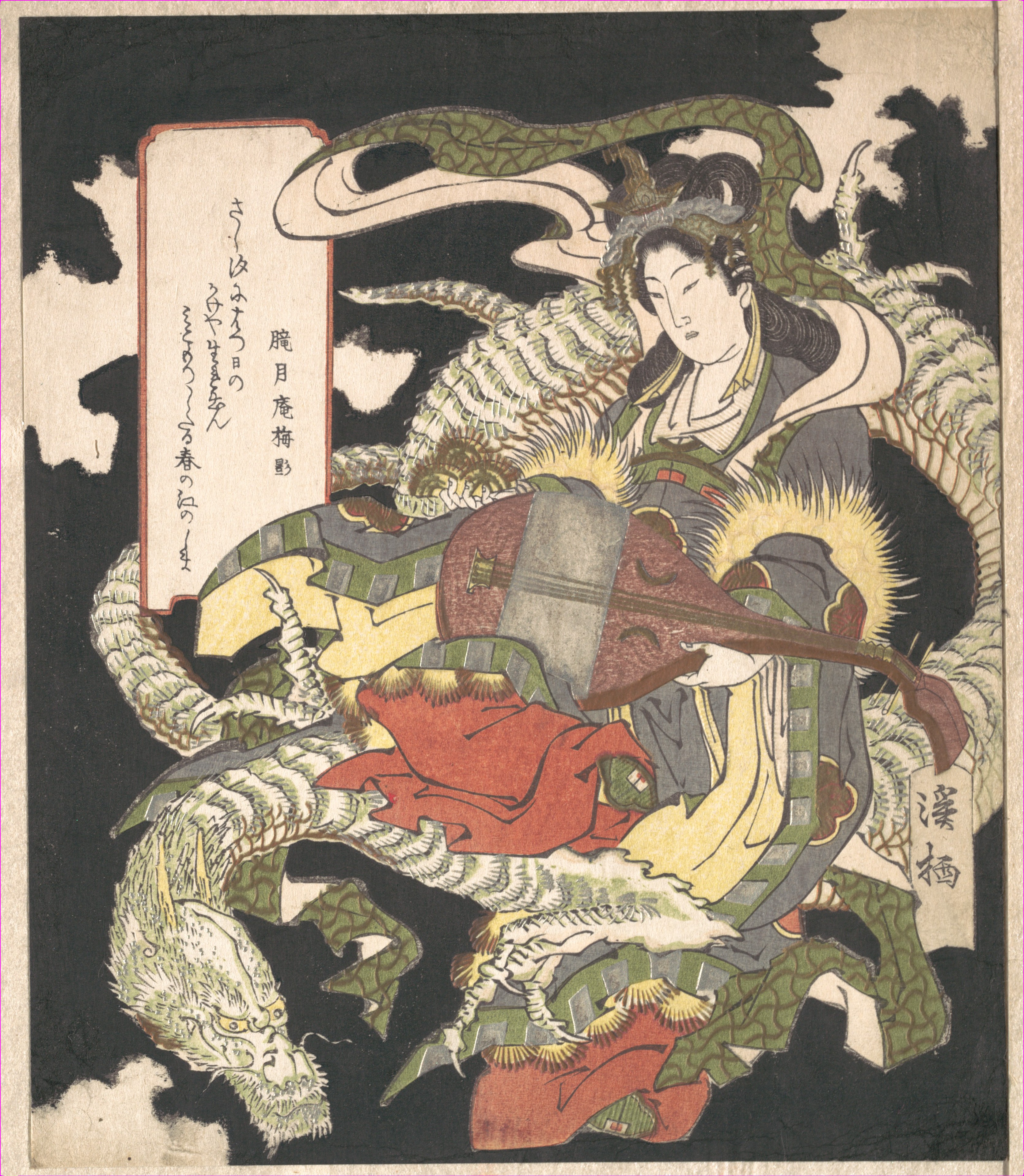
- An elegant woman holding a biwa: Her most recognizable form, symbolizing art, inspiration, and eloquence;
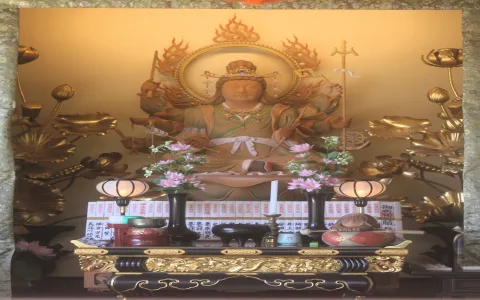
- An eight-armed wrathful guardian deity: In Shingon or Tendai esoteric traditions, she wields ritual implements, protecting the world with majestic authority;
- Water deity riding a dragon across the waves: Particularly at locations like Chikubu Island in Lake Biwa, she intertwines with aquatic realms and dragon legends, revealing her mastery over natural forces.
These seemingly contradictory images gradually unified in my mind—she is not a single-purpose “tool deity,” but a complete being embodying both grace and power, creation and protection.
III. Love? Wealth? Both Are Manifestations of “Flow”
Many call her the “Goddess of Love,” but honestly, this label once led me astray.
Indeed, many couples visit Enoshima or Itsukushima Shrine to pray for romantic connections, and folk belief holds that worshipping Benten enhances charm and emotional harmony. Yet my true epiphany came when I realized: what she bestows isn’t “love” itself, but the conditions enabling relationships to flow smoothly—unimpeded communication, emotional resonance, and the rhythm of mutual trust.
Similarly, her role as the “Goddess of Wealth” among the Seven Lucky Gods is often oversimplified as a “powerful deity for financial gain.” Yet observe those “money-washing” rituals—where people gently rinse coins in the shrine’s pond, believing wealth will multiply—and you’ll find the core metaphor remains the fluidity of “water.” Wealth, like water, requires wisdom to guide it, ensuring it flows ceaselessly.
IV. Benzaiten Through My Eyes: A Triune Divinity
Through repeated visits to shrines and deep study of imagery and texts, I gradually came to understand her as a fusion of three facets:
- Artist: With her biwa in hand, melody flows naturally—she is the patron of creators;
- Blesser: Using water as her medium, she aids in career success and abundant living;
- Guardian: With eight arms and fierce eyes, she commands water dragons, pacifies chaos, and safeguards regional peace.
She is both gentle and majestic, transcendent yet practical. This seemingly contradictory unity is precisely what moves me most.
V. Conclusion: A Tribute to “Flow”
Now, whenever I pass by a water shrine, I no longer merely pay a hurried visit. I sit quietly for a moment, listening to the wind rustling through treetops and water lapping against stone shores—perhaps that is Benzaiten’s whisper.
She reminds me: whether in creativity, love, or career, true abundance never lies in static possession. It lies in allowing everything to flow naturally, guided by wisdom and order.
Recommended reading: Cerridwen: The Celtic Goddess of Transformation and Knowledge